Definition

Inclusions are features trapped inside a crystal during growth, such as fluid bubbles, tiny crystals, or healed fractures. Inclusions can be diagnostic, can affect clarity, and can preserve evidence of growth conditions. Collectors examine inclusions with a loupe or microscope to document needles, negative crystals, fluid inclusions, and mineral inclusions. It is important to confirm whether a feature is internal or just on the surface, because coatings can mimic inclusions.

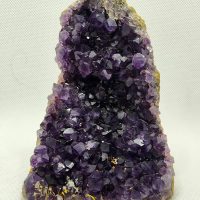
Collectors Context

When documenting Inclusions, describe what you see in plain terms (needles, bubbles, tiny crystals, planar healed lines) and note where they sit (core, rim, along growth zones). Clean the surface before you decide a feature is internal; residue and surface films can be misleading. If you can, take a magnified photo and store it with the specimen’s label and locality data. Inclusions can also guide cutting decisions, so record them before trimming changes the viewing windows.

Common Confusions

Inclusions vs. surface residue Residue wipes off. Inclusions remain visible within the crystal even after cleaning.

Inclusions vs. open fractures Open fractures break the surface. Inclusions are enclosed; healed fractures often show planar internal patterns.

Inclusions vs. coating bubbles Some surface coatings trap bubbles. Check whether the feature is on the surface or truly inside.

Inclusions vs. dirt in vugs Dirt in cavities is external and can be removed. Inclusions are trapped during growth and cannot be brushed out.

Further Reading

Cart