Pink Halite Guide — Identification, Locales & Care

pink halite guide

This comprehensive pink halite guide introduces the mineral’s most important scientific and geological characteristics, including how it forms, why its colors vary, and where the most notable specimens are found. You’ll also learn about its crystal habits, structural features, and the unique conditions that make pink halite such an uncommon and visually striking evaporite mineral.

In addition, this guide provides practical guidance for collectors, covering proper cleaning, storage, and long-term care to help preserve specimen quality. Whether you are new to mineral collecting or deepening an existing collection, this resource offers a clear and detailed overview designed to enhance your understanding and appreciation of pink halite.
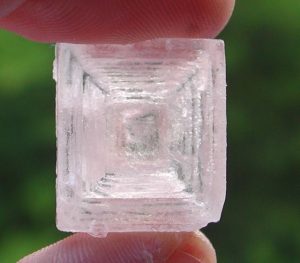
Table of Contents

Pink Halite, a captivating variety of the common mineral halite, is renowned for its striking pink hues and unique crystal formations.

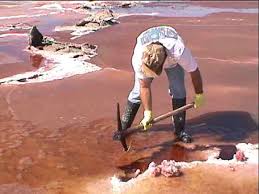
Found primarily in Searles Lake, California, this mineral is not only a geological marvel but also a sought-after collector’s item. The formation of Pink Halite involves specific environmental conditions that contribute to its distinctive coloration and crystal structure.

In this Pink Halite Guide, we will explore the various aspects of Pink Halite, from its geological origins to its diverse applications and intriguing metaphysical properties.

Pink Halite At-a-Glance

  • Mineral Type: Halite (Sodium Chloride – NaCl)
  • Color: Pink due to trace minerals or organic inclusions
  • Crystal System: Cubic
  • Mohs Hardness: 2–2.5
  • Luster: Vitreous
  • Transparency: Transparent to translucent
  • Notable Localities: Searles Lake (California), various evaporite deposits worldwide
  • Formation Environment: Evaporite settings where saline water bodies dry up
  • Care Requirements: Keep dry; avoid humidity and water exposure

What is Pink Halite?

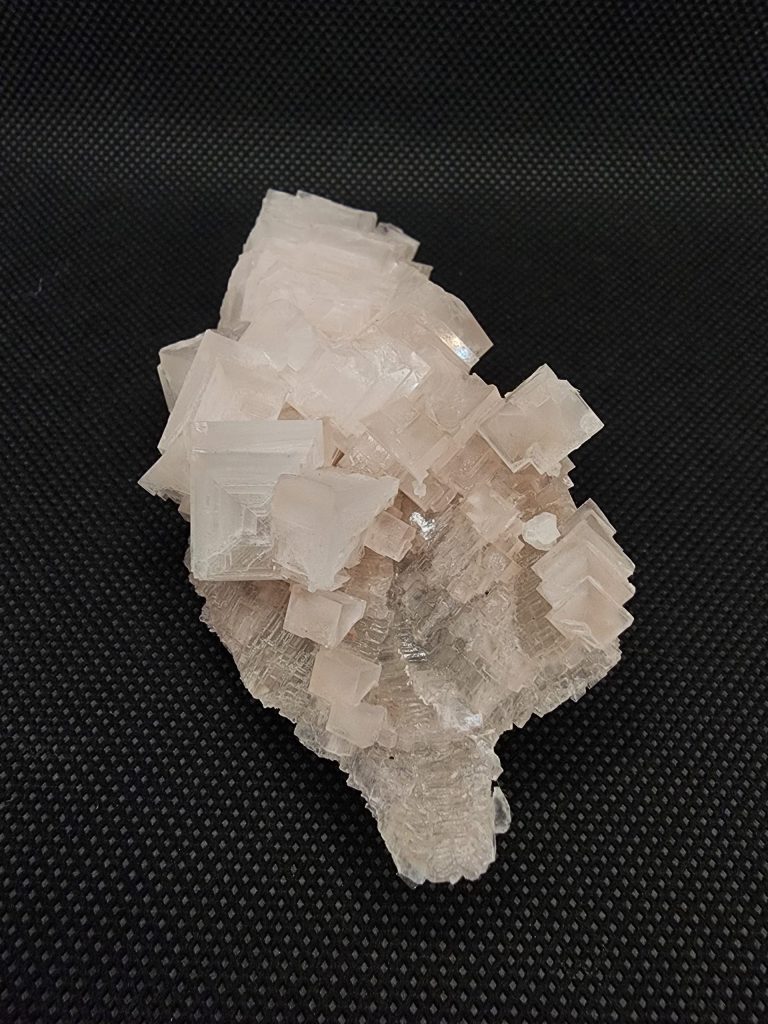
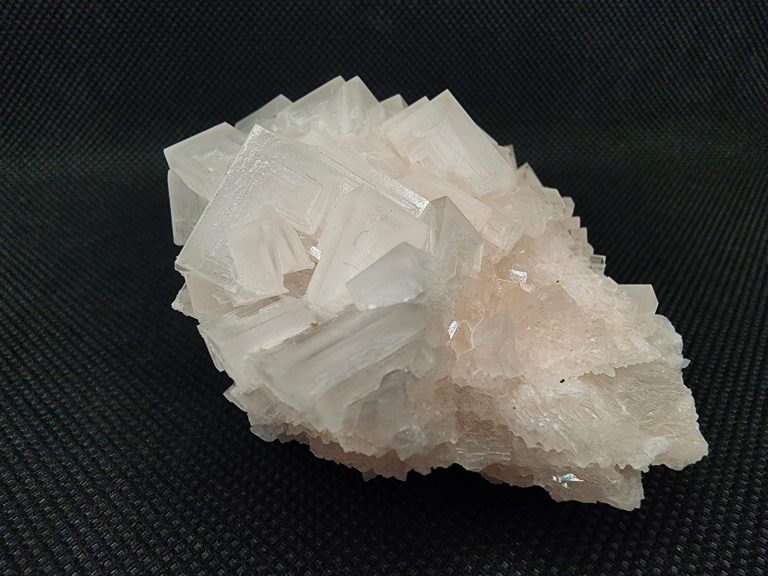
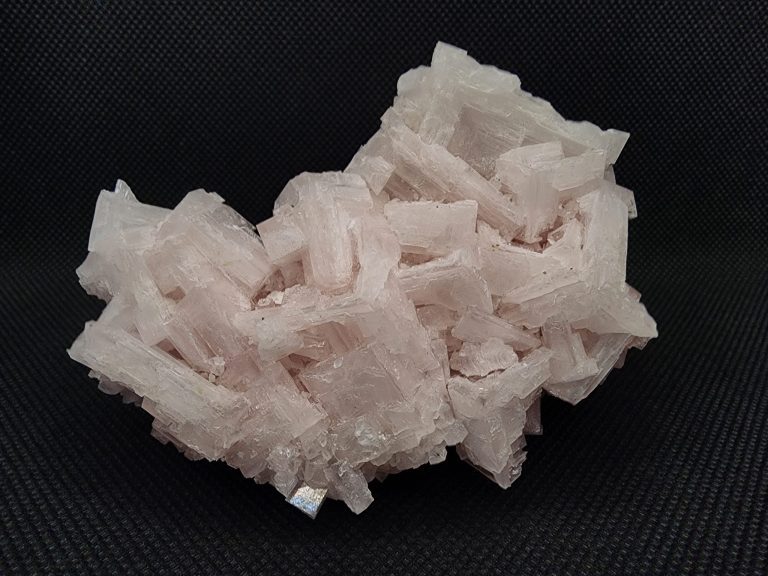
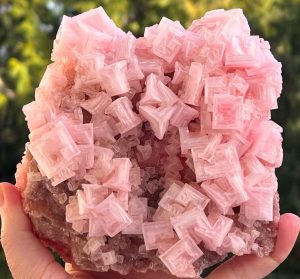
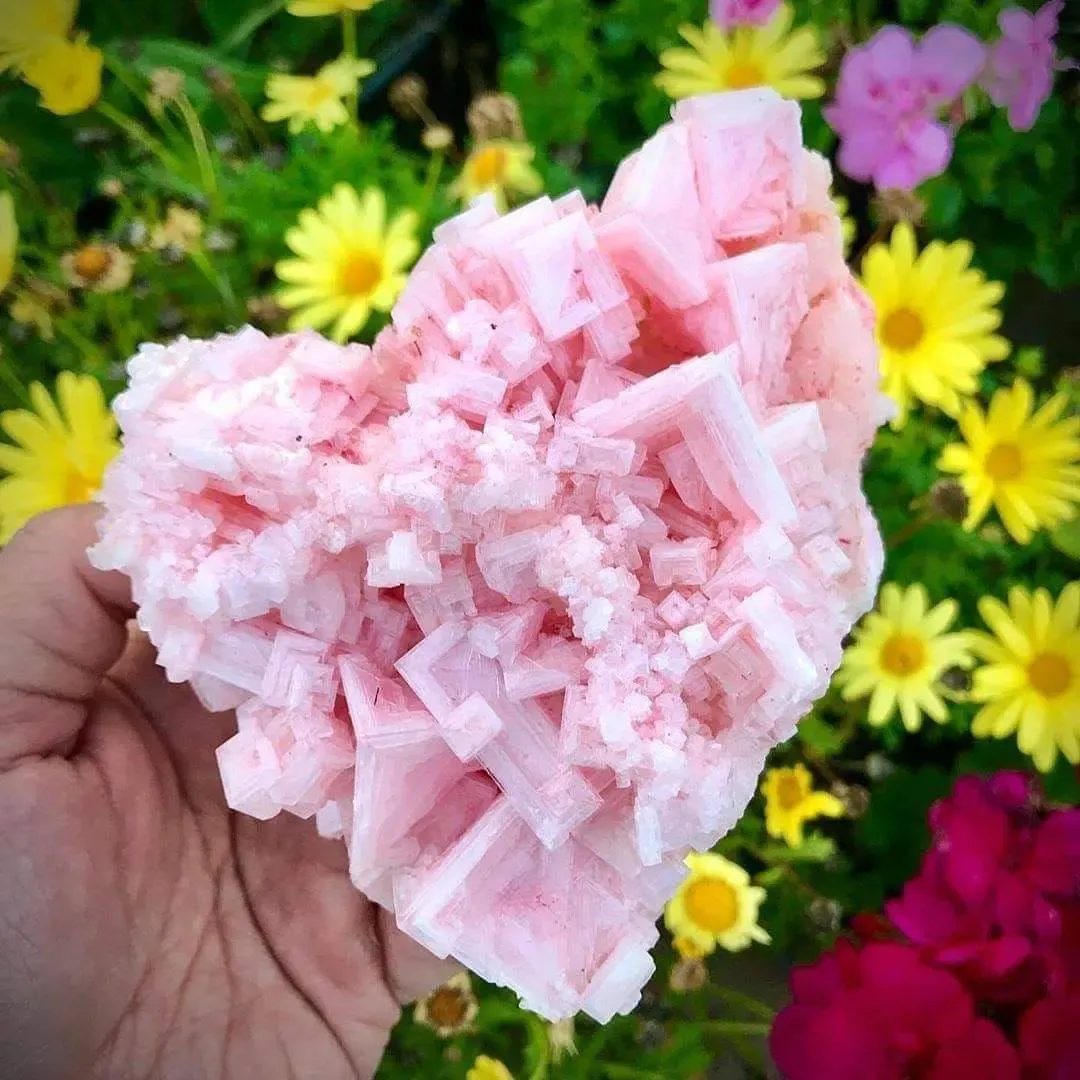
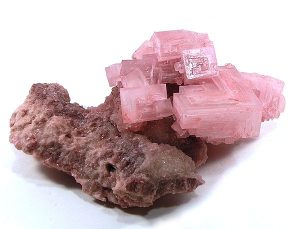
pink halite cubic crystals Searles Lake

Pink Halite is a naturally occurring, colored variety of halite—commonly known as rock salt. While standard halite is colorless or white, Pink Halite derives its coloration from trace mineral inclusions, internal structural defects, or the presence of microorganisms that lived in the brine from which the crystals formed. Because these conditions are rare, Pink Halite is significantly less common than typical halite.

Its vibrant color, combined with dramatic cubic and hopper-style crystal formations, makes it a favorite among collectors, educators, and geology enthusiasts.
How Pink Halite Forms:

Pink Halite develops in evaporite environments—settings where bodies of highly saline water slowly evaporate, leaving behind layers of crystallized salts.

Key formation conditions include:

  • Extremely saline brine waters

  • Repeated evaporation cycles

  • Stable temperature and low turbulence

  • Presence of organic or mineral impurities

In shallow brine pools, halite precipitates as sodium and chloride ions bond and crystallize. Over time, specific environmental conditions can trap organic material or minerals within the crystal lattice, resulting in varying shades of pink.

Pink Halite Properties:

Pink Halite is a type of halite, or rock salt, that exhibits a beautiful pink coloration due to the presence of trace minerals and organic inclusions. This variety is particularly prized for its aesthetic appeal and rarity.

  • Chemical Composition: Pink Halite is composed primarily of sodium chloride (NaCl) with traces of potassium, magnesium, and other minerals. This composition can influence the color intensity and transparency of the mineral.
  • Color: The pink color is due to the presence of microorganisms, organic matter, and trace minerals like iron and potassium. The specific shades of pink can range from pale pink to deep rose, depending on the concentration of these inclusions.
  • Crystal Structure: Pink Halite typically forms cubic crystals, but it can also appear in massive or granular forms. The cubic structure is a hallmark of halite minerals, often displaying sharp and well-defined edges.
  • Transparency: It ranges from translucent to transparent, depending on the concentration of inclusions and impurities. Higher purity specimens tend to be more transparent, while those with more inclusions appear cloudier.
  • Luster: Exhibits a vitreous to greasy luster, enhancing its visual appeal. This luster can give the crystals a shiny, almost wet appearance, making them particularly attractive in displays.
  • Hardness: Has a Mohs hardness of 2-2.5, making it relatively soft and easily scratched. This softness means that Pink Halite must be handled with care to avoid damage.
  • Specific Gravity: Approximately 2.1-2.2, indicating a relatively low density. This low density is typical of evaporite minerals like halite, which form from the evaporation of saline waters.

Pink Halite Crystal Habits and Color Variations:

Pink Halite Crystals

Pink Halite displays an impressive range of structures, including:

  • sharp cubes

  • hopper crystals with hollow centers

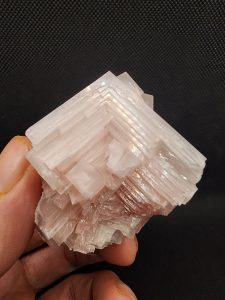
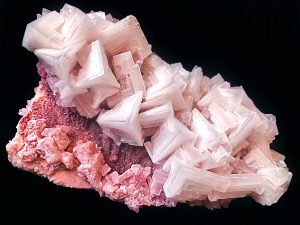
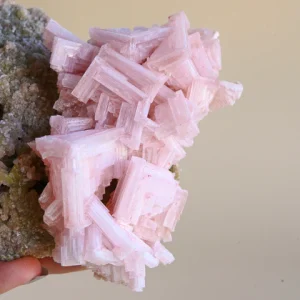
  • stacked, plate-like formations

  • botryoidal (rounded, bubbly) masses

  • large blocky aggregates

Color variations include:

  • light pink

  • bubble-gum pink

  • deep rose

  • rare reddish-magenta tones

These variations often reflect the chemistry and biological activity of the brine during formation.
 

Types and Forms of Pink Halite:

Collectors may encounter several common forms:

  • Cubic clusters — sharp, glassy cubes

  • Hopper crystals — most iconic form

  • Botryoidal masses — smooth, rounded surfaces

  • Plate-like layers — stacked crystals

  • Massive salt blocks — less collectible but good for study

Each form reflects different evaporation cycles and brine chemistry during growth.

How to Identify Genuine Pink Halite:

Pink Halite IdentificationAuthenticity matters, especially given halite’s simplicity and the potential for artificially colored imitations.

Key Identification Methods

  1. Crystal Habit
    Natural Pink Halite forms well-defined cubic or hopper structures.

  2. Solubility
    Halite dissolves quickly in water—this can confirm authenticity, but testing should be done cautiously to avoid damaging the specimen.

  3. Texture and Feel
    Natural halite feels slightly oily or smooth due to microscopic brine film.

  4. Color Distribution
    Natural pink color is usually internal and uneven; artificially dyed pieces often show color concentrated near edges or cracks.

  5. Provenance
    Specimens from Searles Lake have characteristic form and internal clarity.
 

How to Clean, Store, and Care for Pink Halite Specimens:

Pink Halite requires careful handling due to its softness and solubility.

Cleaning

  • Avoid Moisture: Keep Pink Halite away from humid environments and direct contact with water. Moisture can cause the crystals to dissolve and lose their form.
  • Dry Cleaning: Use a soft brush to gently remove dust and debris from the surface of your crystals. Avoid using water or any liquids that could dissolve the mineral.

  • Compressed Air: A can of compressed air can be used to blow away dust and dirt from hard-to-reach areas. This method is effective for cleaning delicate crystal formations.

Storage

  • Keep in low-humidity environments.

  • Use airtight display cases whenever possible.

  • Add silica gel packets to control moisture.

Handling

  • Avoid touching the crystal faces with bare hands.

  • Use gloves or hold only the matrix/base.

Display Tips

  • Keep away from bathrooms, kitchens, or other humid rooms.

  • Consider UV-safe LED lighting that does not generate heat.


Collecting and Buying Tips for Pink Halite:

pink halite guide for collectorsWhen purchasing or evaluating specimens:

Look For

  • Sharp crystal edges

  • Strong, natural color saturation

  • Clean, intact faces without water damage

  • Well-defined hopper structures (highly desirable)

  • Verified provenance

Avoid

  • Specimens with dull, melted-looking surfaces (water exposure)

  • Dyed halite (color appears too uniform or concentrated in cracks)

  • Excessively fragile pieces lacking structural integrity

Price Influencers

  • Color intensity

  • Crystal size

  • Complexity of formation

  • Provenance (Searles Lake pieces often command premium)
Explore Our Mineral Treasures:

We invite you to explore our collection of Pink Halite specimens for sale. Each piece has been carefully selected for its beauty and quality, offering you the opportunity to own a unique and captivating specimen. Discover the allure of Pink Halite and add a touch of natural beauty to your collection.

Notable Pink Halite Mining Locales:

Pink Halite Localities Searles LakeWhile Searles Lake is the primary source of Pink Halite, other notable locales contribute to the availability of this mineral.
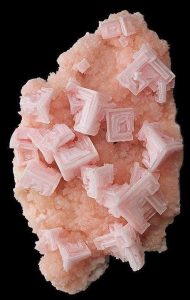
  • Searles Lake, California: The most famous and prolific source of Pink Halite, known for producing high-quality specimens. The lake’s unique geological and environmental conditions make it ideal for the formation of Pink Halite. Explore halite crystals from Searles Lake
  • Great Salt Lake, Utah: Another source of halite, though pink varieties are less common. The lake’s saline waters can produce halite crystals, but the conditions for pink coloration are less prevalent.
  • Dead Sea, Israel: Known for its salt deposits, occasionally yielding pink-hued halite. The unique mineral composition of the Dead Sea can result in the formation of pink halite crystals.
  • Bolivia: Certain salt flats in Bolivia produce halite with pink coloration. The country’s high-altitude salt flats provide the right conditions for halite crystallization.
  • Chile: The Atacama Desert’s salt flats are another potential source of Pink Halite. The desert’s extreme aridity and saline conditions are conducive to halite formation.
  • Australia: Some salt lakes in Western Australia have been known to produce pink halite. The region’s dry climate and saline waters can create the right conditions for halite crystallization.
  • Spain: The salt flats of Spain occasionally yield pink varieties of halite. The country’s historical salt production regions can sometimes produce pink halite specimens.
  • Iran: Halite deposits in Iran have been known to include pink varieties. The country’s extensive salt deposits can sometimes yield pink halite crystals.
  • India: Certain saline lakes in India produce halite with pink hues. The country’s diverse geological conditions can result in the formation of pink halite in some regions.
  • Turkey: The salt flats of Turkey occasionally produce pink halite specimens. The country’s arid regions with high evaporation rates can create the right conditions for halite crystallization.

Geology of Pink Halite:

Pink Halite mineral for collectorsThe formation of Pink Halite is closely linked to the geological and environmental conditions of Searles Lake, California. This area provides the perfect setting for the crystallization of this unique mineral.
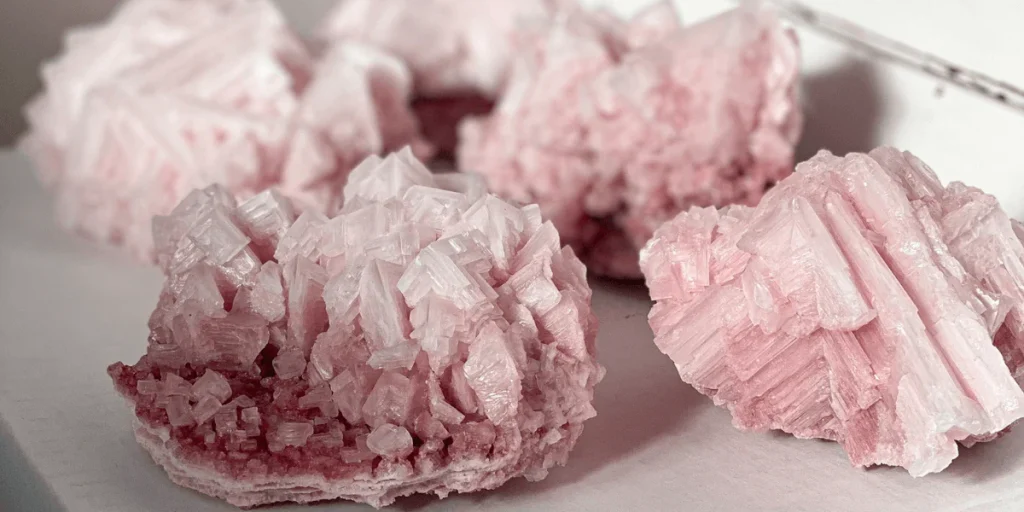
  • Evaporite Deposits: Pink Halite forms in evaporite deposits, where the evaporation of saline water leaves behind concentrated salt crystals. These deposits are typically found in arid regions where large bodies of water have evaporated over time.
  • Searles Lake: Located in the Mojave Desert, Searles Lake is a dry lake bed known for its rich mineral deposits, including halite. The lake has been a significant site for mineral extraction for over a century.
  • Climate Conditions: The arid climate of the Mojave Desert promotes high evaporation rates, crucial for the formation of Pink Halite. The dry conditions ensure that water evaporates quickly, leaving behind salt deposits.
  • Geological History: Searles Lake has undergone multiple cycles of flooding and evaporation, leading to the deposition of various evaporite minerals over millennia. These cycles have created thick layers of salt and other minerals, including Pink Halite.
  • Microbial Influence: Microorganisms and organic matter present in the lake contribute to the pink coloration of the halite crystals. These microorganisms can produce pigments that color the salt crystals, resulting in the distinctive pink hues.


Gemological Properties of Pink Halite:

Pink Halite IdentificationAs a gemstone, Pink Halite possesses unique characteristics that make it a prized addition to any collection. Its gemological properties are influenced by its mineral composition and formation process.

  • Rarity: Pink Halite is considered rare due to its specific formation conditions and limited occurrence. The unique combination of environmental and geological factors required for its formation makes it uncommon.
  • Collectors’ Value: Its vibrant color and unique crystal forms make it highly desirable among mineral collectors. High-quality specimens can command significant prices in the collector market.
  • Cut and Shape: Typically sold in its natural crystal form, but can be polished or carved for decorative purposes. While cutting and shaping are possible, the softness of the mineral requires careful handling to avoid damage.
  • Market Value: The value of Pink Halite varies based on its color intensity, crystal size, and overall quality. Specimens with vivid colors and well-formed crystals are particularly valuable.
  • Synthetic Versions: Synthetic halite can be produced, but natural Pink Halite from Searles Lake is preferred for its authenticity and unique characteristics. Collectors and enthusiasts generally favor natural specimens over synthetic ones.


Different Types of Pink Halite:

Pink Halite can vary in appearance and composition, resulting in different types that appeal to collectors and enthusiasts.

  • Pure Pink Halite: Characterized by a consistent pink color throughout the crystal. These specimens are highly prized for their uniform coloration and aesthetic appeal.

  • Bi-Color Halite: Features areas of pink and white, showcasing a contrast in coloration. The juxtaposition of colors can create striking visual patterns in the crystals.

  • Inclusion-Rich Halite: Contains visible inclusions of organic matter or other minerals, adding to its visual interest. These inclusions can create intricate patterns and textures within the crystals.

  • Massive Pink Halite: Appears in large, solid masses rather than distinct crystals. These specimens can be impressive in size and are often used for decorative purposes.

  • Crystalline Pink Halite: Displays well-formed cubic crystals, often with sharp edges and clear faces. These crystals are highly sought after for their geometric beauty and clarity.

  • Botryoidal Halite: Rounded, grape-like crystal clusters that provide a unique texture and appearance. The rounded shapes can create a visually appealing contrast to the typical cubic forms.

  • Fibrous Halite: Consists of fine, fibrous crystal formations, creating a delicate and intricate structure. These fibrous crystals can be particularly fragile and require careful handling.

  • Frosted Halite: Crystals with a frosted surface, giving them a unique, matte finish. The frosted appearance can add a subtle elegance to the crystals.

  • Intergrown Halite: Crystals that have grown together, forming complex and interconnected structures. These intergrown formations can create fascinating and intricate patterns.

Interesting Facts About Pink Halite:

Pink Halite is not only visually stunning but also holds several interesting attributes that add to its allure.

  • Fluorescence: Some specimens exhibit fluorescence under UV light, glowing in various colors. This property adds an extra dimension of interest for collectors and enthusiasts.
  • Solubility: Being composed of salt, Pink Halite is highly soluble in water and should be kept dry. Exposure to moisture can cause the crystals to dissolve and lose their form.
  • Taste: Like common halite, it has a salty taste, although it is not recommended to lick mineral specimens. This property highlights its chemical similarity to table salt.
  • Fragility: Due to its low hardness, Pink Halite is quite fragile and requires careful handling. The crystals can be easily scratched or damaged, so they must be handled with care.
  • Environmental Indicator: The presence of Pink Halite can indicate past climatic and environmental conditions in the region where it is found. Its formation can provide clues about historical climate patterns and geological events.
  • Crystal Growth: Pink Halite crystals can continue to grow if exposed to the right conditions, such as a highly saline environment. This ongoing growth can result in larger and more complex crystal formations over time.
  • Unique Inclusions: Some specimens contain trapped air bubbles or other minerals, adding to their visual and scientific interest. These inclusions can create fascinating internal patterns and textures.
  • Ancient Origins: The formation of Pink Halite can date back millions of years, providing a glimpse into Earth’s geological history. The ancient origins of these crystals make them valuable for scientific study and historical understanding.
  • Desiccation Indicator: The presence of Pink Halite in a region can indicate ancient desiccation events, where water bodies have evaporated over time. These events can provide insights into the region’s climatic history.
  • Use in Studies: Scientists study Pink Halite to understand the geological and climatic history of its formation areas. The mineral’s properties and formation conditions can provide valuable data for research.

The History of Pink Halite:

The history of Pink Halite is intertwined with human civilization, particularly in regions where it is found.

  • Ancient Use: Pink Halite, like other forms of halite, has been used for millennia for its salt content. Ancient civilizations valued salt for its preservative and culinary properties.
  • Trade Commodity: Halite, including pink varieties, was a valuable trade commodity in ancient times. Salt trade routes facilitated cultural and economic exchanges between regions.
  • Cultural Significance: In some cultures, Pink Halite has been used in rituals and as a symbol of purity and preservation. The mineral’s unique coloration and properties have made it significant in various cultural practices.
  • Scientific Discovery: The unique properties and formation process of Pink Halite have been subjects of scientific study. Researchers have studied the mineral to understand its geological and environmental significance.
  • Industrial Importance: Halite, including pink varieties, has industrial uses, particularly in the chemical industry. The mineral’s high sodium chloride content makes it valuable for various industrial applications.
  • Modern Collecting: In recent decades, Pink Halite has become a popular collector’s item. Its unique coloration and crystal forms have made it highly desirable among mineral collectors.
  • Exhibitions and Museums: Pink Halite is often featured in mineral exhibitions and museums, showcasing its beauty and scientific interest. These exhibitions provide educational opportunities and raise awareness about the mineral.
  • Geological Studies: Pink Halite has been studied to understand the environmental conditions of its formation areas. These studies can provide insights into past climatic and geological events.
  • Cultural Artifacts: Pink Halite has occasionally been used in cultural artifacts and items of significance. The mineral’s unique properties have made it valuable in various cultural practices.
  • Modern Uses: Today, Pink Halite is used in various applications, from decorative items to metaphysical practices. Its versatility and unique properties make it valuable in multiple contexts.

Uses of Pink Halite:

Pink Halite has a wide range of uses, from practical applications to decorative and metaphysical purposes.

  • Decorative Items: Often used in home decor for its aesthetic appeal, Pink Halite can be displayed in various forms. Decorative items include crystals, carved objects, and polished pieces.
  • Salt Lamps: Carved into lamps that provide a warm, pink glow and are believed to have health benefits. Salt lamps are popular for their purported air-purifying and mood-enhancing properties.
  • Bath Salts: Crushed Pink Halite is used in bath salts for its soothing and therapeutic properties. Bath salts are believed to promote relaxation and skin health.
  • Culinary Uses: In some regions, Pink Halite is ground and used as a gourmet salt. The mineral’s unique flavor and color make it a popular choice for culinary applications.
  • Metaphysical Uses: Believed to possess healing and spiritual properties, Pink Halite is often used in metaphysical practices. These uses include crystal healing, meditation, and energy work.
  • Educational Specimens: Used in educational settings to teach about mineralogy, geology, and crystallography. Pink Halite specimens can be valuable tools for teaching about crystal structures and mineral properties.
  • Artistic Medium: Artists use Pink Halite as a medium for sculptures and other art forms, taking advantage of its unique color and crystal structure. The mineral’s versatility allows for a wide range of artistic applications.
  • Interior Design: Incorporated into interior design elements such as decorative bowls, centerpieces, and accent pieces. Pink Halite’s unique appearance can enhance the aesthetic appeal of various spaces.
  • Aquarium Decor: Used in aquariums as a natural and visually appealing decoration, though care must be taken to prevent dissolution. Pink Halite can add a unique element to aquarium landscapes.
  • Cultural Artifacts: Occasionally used in cultural artifacts and items of significance, reflecting its historical and regional importance. The mineral’s unique properties make it valuable in various cultural contexts.
  • Gift Items: Pink Halite crystals and carvings are popular gift items for mineral enthusiasts and collectors. These gifts are often appreciated for their beauty and rarity.


Pink Halite Crystals

Interesting Facts About Pink Halite:

Pink Halite Searles Lake CaliforniaPink Halite is not only visually stunning but also holds several interesting attributes that add to its allure.
  • Fluorescence: Some specimens exhibit fluorescence under UV light, glowing in various colors. This property adds an extra dimension of interest for collectors and enthusiasts.
  • Solubility: Being composed of salt, Pink Halite is highly soluble in water and should be kept dry. Exposure to moisture can cause the crystals to dissolve and lose their form.
  • Taste: Like common halite, it has a salty taste, although it is not recommended to lick mineral specimens. This property highlights its chemical similarity to table salt.
  • Fragility: Due to its low hardness, Pink Halite is quite fragile and requires careful handling. The crystals can be easily scratched or damaged, so they must be handled with care.
  • Environmental Indicator: The presence of Pink Halite can indicate past climatic and environmental conditions in the region where it is found. Its formation can provide clues about historical climate patterns and geological events.
  • Crystal Growth: Pink Halite crystals can continue to grow if exposed to the right conditions, such as a highly saline environment. This ongoing growth can result in larger and more complex crystal formations over time.
  • Unique Inclusions: Some specimens contain trapped air bubbles or other minerals, adding to their visual and scientific interest. These inclusions can create fascinating internal patterns and textures.
  • Ancient Origins: The formation of Pink Halite can date back millions of years, providing a glimpse into Earth’s geological history. The ancient origins of these crystals make them valuable for scientific study and historical understanding.
  • Desiccation Indicator: The presence of Pink Halite in a region can indicate ancient desiccation events, where water bodies have evaporated over time. These events can provide insights into the region’s climatic history.
  • Use in Studies: Scientists study Pink Halite to understand the geological and climatic history of its formation areas. The mineral’s properties and formation conditions can provide valuable data for research.

Pink Halite FAQs:

Answers for Collectors and Enthusiasts

What is Pink Halite?

Pink Halite is a naturally occurring variety of halite (sodium chloride) that develops its pink coloration from trace minerals, organic material, or microbial activity within evaporite environments. It forms cubic crystals that are visually striking and popular among mineral collectors.

Pink Halite forms through the evaporation of highly saline water bodies, typically in closed-basin environments. As water evaporates, sodium chloride crystallizes, and varying conditions—such as mineral impurities, brine chemistry, or trapped microorganisms—produce the characteristic pink hues.

The pink color can result from trace mineral inclusions, natural organic compounds within brines, or halophilic microorganisms trapped inside the crystal lattice. The exact cause varies by locality.

The best-known source is Searles Lake in California, which produces vibrant, well-formed specimens. Other evaporite deposits worldwide also yield Pink Halite, though often with different textures and intensities of coloration.

Pink Halite has a Mohs hardness of 2–2.5, making it a very soft mineral that can easily be scratched by fingernail, dust, or other minerals.

Yes. Halite is highly water-soluble, meaning specimens should never be washed under running water, soaked, or exposed to high humidity.

Cleaning should be limited to dry methods. Compressed air, a soft brush, or a gentle blow-duster can remove loose dust. Avoid water, steam, cleaning sprays, or humid environments.

Store Pink Halite in a completely dry environment, ideally inside an airtight display case or container with desiccant packs. Avoid basements, bathrooms, and other humid spaces.

Pink Halite is both soft and brittle. Edges and terminations can crumble if handled improperly. Always support the specimen from the base and avoid direct pressure on crystal edges.

Key indicators include its cubic crystal habit, salty taste (not recommended for testing), softness, water solubility, and color distribution consistent with natural halite formation. Fake pieces often show unnatural patterns or resin-like textures.

Generally no. Its low hardness and solubility make it unsuitable for wearable jewelry. It is best enjoyed as a display or collection mineral.

Collectors may encounter:

  • Plate-like crystal clusters

  • Sharp cubic formations

  • Botryoidal or mound-like textures

  • Highly transparent vs. more opaque specimens

  • Deep pink, pale pink, and zoned variations

Each reflects different brine chemistry and formation conditions.

Pink Halite is less common than clear halite, especially high-quality, well-formed, vibrant specimens. Localities producing vivid pink crystals are limited, giving premium pieces higher collector value.

Exposure to light, moisture, or environmental contaminants can cause color fading or surface degradation. Proper storage is essential to preserve appearance.

Important evaluation criteria include color intensity, clarity, crystal sharpness, minimal damage, stability, and documented locality. Specimens from well-known deposits with defined provenance generally hold more value.

Conclusion:

Pink Halite stands out as one of the most fascinating and delicate minerals available to collectors. Its vibrant coloration, unusual crystal habits, and limited localities make it both visually impressive and scientifically interesting. With proper care and an understanding of its geological origins, collectors can preserve Pink Halite specimens for many years.

Explore More Mineral & Fossil Guides

If you enjoyed this guide, there’s much more to discover. Below you’ll find additional fossil and mineral guides selected to expand your knowledge, highlight related specimens, and help you explore other fascinating topics from across the Sacred Earth resource library.

Fossil Fish
Read More
Blue Amber from Indonesia
Read More
Scapanorhynchus
Read More
mineral contaminants rust iron oxide
Read More
Tourmaline Properties Sacred Earth
Read More
Amber Gemstone
amethyst crystal cluster