Float

[glossary_tax_lines taxonomy="glossary_cat" link="1"]

Definition

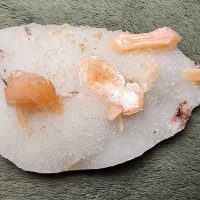
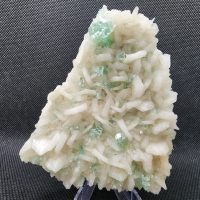
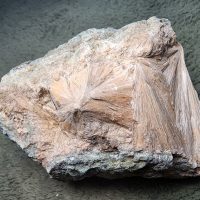
What is float? Float is loose rock or mineral material that has been transported from its original bedrock source by erosion, gravity, or water. Float can range from small fragments to large blocks, and it often accumulates on slopes, in gullies, and along stream beds. Because float has moved, it does not show exact in-place geology, but it is one of the best trail signs for finding a nearby source outcrop or vein.

Collectors Context

Collectors use float to "follow the crumbs" toward better material. A single piece may be random, but multiple pieces of the same rock type, texture, or mineral assemblage can indicate an upslope source. In the field, note float size (larger pieces usually traveled less), freshness (recent breaks vs. long-weathered), and distribution (a linear trail can indicate a vein). Pair float observations with map reading and slope direction to avoid wandering in circles.

Common Confusions

Float vs. Outcrop Float is moved material; outcrop is the source rock in place. Float points you toward a target, while outcrop confirms the geology and shows where the material came from.

Float vs. Talus Talus is a pile or apron of broken rock at the base of a slope, usually from mechanical weathering. Talus can contain float, but not all float is talus, and talus often mixes multiple sources.

Float vs. Alluvium Alluvium is sediment transported and deposited by water, often in streams or floodplains. Float can be part of alluvium, but alluvium also includes finer sand and gravel that can mask where pieces originated.

Further Reading