
Geology and Paleontology News
Earth Science News and Discoveries
This page brings together current developments in geology and paleontology that are relevant to mineral collectors, fossil enthusiasts, and anyone interested in Earth science. Articles featured here focus on new discoveries, research updates, and scientifically significant finds that help explain how minerals form, how fossils are preserved, and how Earth’s history continues to be refined through ongoing study.
The content is organized into two dedicated sections so readers can easily explore updates specific to geology or paleontology.
Featured Topics in Earth Science News
Mineral discoveries and new mineral finds from established and emerging localities
Fossil discoveries and new fossil finds expanding the fossil record
Geological discoveries related to stratigraphy, sedimentary environments, and mineral formation
Paleontological discoveries preserved in rock, amber, and sedimentary deposits
Earth science news relevant to mineral collecting news and fossil collecting news
Geology News
New Mineral Finds and Mineral Discoveries
This section highlights recent geology-related updates, including new mineral discoveries, notable localities, changes in mineral classification, geological research findings, and significant natural events that impact Earth’s structure. Topics may include mineral formation processes, economic geology, stratigraphy, volcanology, and tectonic activity, with an emphasis on information useful to collectors and educators.

Uncovering Bermuda Rocks: A Giant, Unusual Layer Beneath the Atlantic Ocean
Bermuda rocks hide a massive, unique layer of mantle-derived material beneath the oceanic crust. Mineral collectors and rockhounds can explore how this 12-mile-thick formation explains Bermuda’s uplift and reveals rare geological processes.
Paleontology News
New Fossil Finds and Fossil Discoveries
This section focuses on recent paleontological discoveries and research, including newly described fossil species, important fossil finds, revisions to evolutionary interpretations, and studies related to fossil preservation and depositional environments. Coverage emphasizes how fossils connect to their geological context, helping readers better understand ancient life and the conditions under which it was preserved.

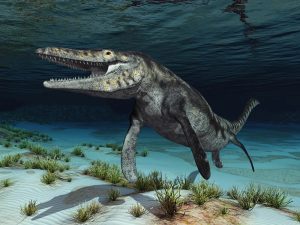
Freshwater Mosasaurs: How Giant Cretaceous Sea Reptiles Roamed Rivers
Freshwater Mosasaurs River-Dwelling Giants of the Late Cretaceous For over a century, mosasaurs have been known as dominant marine predators of the Late Cretaceous oceans. But new fossil discoveries are reshaping that long-standing view. Chemical analysis of mosasaur teeth now provides strong evidence that some mosasaurs lived and hunted in

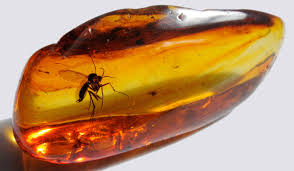
A 99-Million-Year-Old Amber Fossil Redefines the Ancient Story of Mosquito Evolution
A rare amber fossil dating back 99 million years preserves the oldest known mosquito larva, offering new insight into the early evolution of mosquitoes and the ancient forest ecosystems in which they lived.
Ongoing paleontology and geology news often connects recent discoveries with broader earth science research. Following updates on fossil discoveries, mineral discoveries, and geological research helps place new fossil finds and new mineral finds into proper scientific and collecting context.
Frequently Asked Questions About Geology and Paleontology News
Key questions about fossil and mineral discoveries
Common questions related to geology news, paleontology news, fossil discoveries, mineral discoveries, and ongoing earth science research updates that help explain new findings, geological processes, and fossil preservation.
What is the difference between geology and paleontology?
Geology examines Earth’s materials, structure, and physical processes, while paleontology studies fossils and the history of life preserved within geological formations.
Where are many new fossil discoveries made?
New fossil finds are most often reported from sedimentary rock formations, including marine deposits, river systems, and ancient lake environments.
How are new mineral discoveries identified?
Mineral discoveries are identified through analysis of chemical composition, crystal structure, and physical properties before formal recognition.
Why do geological discoveries matter to collectors?
Geological discoveries provide context for mineral and fossil collecting, help identify new localities, and improve accurate identification and classification.
Related Mineral and Fossil Guides
Many geology and paleontology news stories connect directly to detailed mineral and fossil collector guides. Related resources provide additional background on mineral formation, fossil preservation, and the geological settings associated with important discoveries.

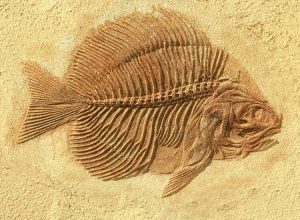
What Is a Fossil? A Beginner-Friendly Guide for Collectors
A fossil is evidence of ancient life preserved in the Earth’s crust, including bones, shells, plants, and even traces like footprints. This beginner-friendly guide explains what fossils are, how fossils form, the different types of fossils, and how collectors can identify real fossils while avoiding common look-alikes.

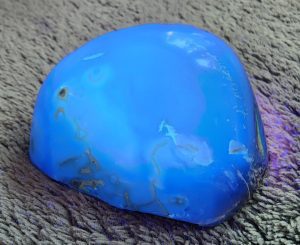
Blue Amber from Indonesia: A Complete Buyer’s & Collector’s Guide
Learn everything about blue amber from Indonesia, including its origins, natural blue fluorescence, how to identify authentic Indonesian blue amber, and what makes these rare specimens so valuable to collectors.

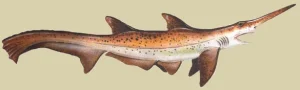
Shark Species Spotlight: Scapanorhynchus texanus (Extinct Goblin Shark)
In the brooks and streams of New Jersey, fossil hunters frequently uncover teeth from one of the strangest sharks of the ancient seas—Scapanorhynchus texanus, an extinct relative of today’s goblin shark. Known for its slender, striated teeth and deep evolutionary roots, this species once patrolled the shallow coastal waters of

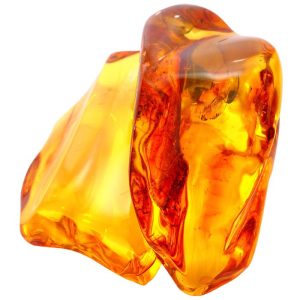
What Is Amber? The Story Behind Fossilized Tree Resin
What Is Amber? The Story Behind Fossilized Tree Resin What is amber? Amber is fossilized tree resin that formed millions of years ago and has been preserved through natural geological processes. Unlike minerals or crystalline gemstones, amber originates from organic material produced by ancient trees. Over time, this resin hardened,