Mineral Collector Guides & Fossil Reference Library
Explore In-Depth Guides on Minerals, Crystals, and Fossils
Welcome to the Collector’s Reference Library, a dedicated learning resource created for mineral and fossil collectors seeking accurate, practical, and easy-to-understand information. This section brings together a growing collection of mineral collector guides and fossil collector guides designed to support informed collecting, research, and long-term specimen care.
Whether you are new to collecting or have years of experience, these guides are built to help you better understand natural specimens through clear identification details, geological context, and collector-focused insights. The goal is to provide reliable reference material that supports confident decision-making while collecting, studying, or curating minerals and fossils.
What You’ll Find in These Collector Guides
This library covers a wide range of educational topics relevant to collectors of minerals, crystals, gemstones, and fossils. Each guide is written as an evergreen resource and focuses on practical knowledge rather than surface-level summaries.
Topics commonly covered throughout these mineral and fossil collecting guides include:
Visual and physical identification characteristics
Geological formation and mineral groups
Notable and historically important localities
Collecting considerations and specimen evaluation
Long-term mineral and fossil specimen care
By focusing on collector-specific needs, these guides function as a reference you can return to repeatedly as your collection grows.
Mineral Collector Guides
Curated guides highlighting key topics in mineralogy.
The mineral collector guides within this library explore natural mineral specimens from a geological and collector perspective. These resources help collectors recognize defining traits, understand how minerals form, and learn what distinguishes one specimen from another.
Mineral identification guides focus on observable features such as crystal habit, color variation, luster, and associated minerals. Geological context is included to help collectors understand why certain minerals form in specific environments and how that impacts specimen appearance and availability.
These mineral collecting guides are useful for research, comparison, and education, whether you are examining a single specimen or expanding your broader geological knowledge.

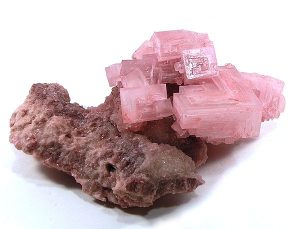
Pink Halite Guide — Identification, Locales & Care
Pink Halite, a vibrant pink rock salt, fascinates collectors and geologists. Primarily found in Searles Lake, California, it’s celebrated for its beauty and geological importance. This article explores Pink Halite’s science, history, types, and maintenance tips, offering a comprehensive guide to this stunning mineral.
Understanding Common Mineral Contaminants
Discover how common mineral contaminants affect the beauty of minerals and crystals. From dust to stubborn stains, learn how to preserve your collection’s allure with effective cleaning methods.

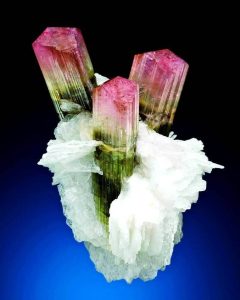
The Complete Tourmaline Gemstone Guide: History, Types, Uses & Collecting Tips
Discover the ultimate Tourmaline gemstone guide — learn about types, colors, value, jewelry uses, metaphysical meanings and care. Perfect for collectors & enthusiasts.

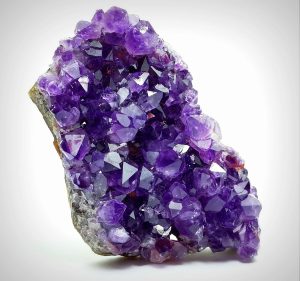
Unveiling the Mystique of Amethyst: Nature’s Crown Jewel
Amethyst, a gemstone of stunning beauty, holds a tale as ancient as time itself. From its origins deep within the Earth’s crust to its place in human history, this quartz variety captivates with its hues ranging from delicate lavender to deep violet. Join us on a journey through the geological
Fossil Collector Guides
Curated guides highlighting key topics in paleontology.
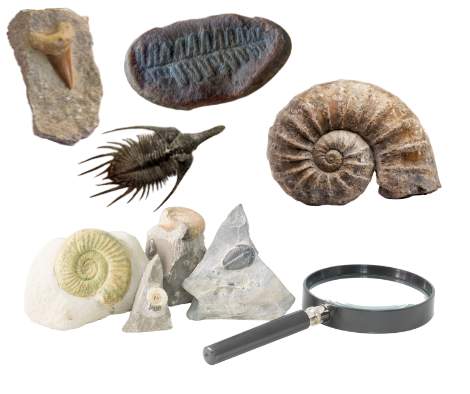
The fossil collector guides are designed to support collectors interested in understanding fossilized remains, preservation types, and geological time periods. These guides emphasize identification, context, and responsible collecting awareness.
Fossil identification guides explore characteristics such as structure, matrix association, and formation processes. Geological background helps explain how fossils form, where they are commonly found, and what factors influence preservation.
These fossil collecting resources are especially helpful for collectors researching specific fossil types, preparing for field collecting, or learning how to properly care for fossil specimens over time.

What Is a Fossil? A Beginner-Friendly Guide for Collectors
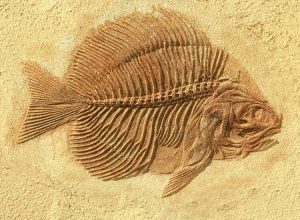
A fossil is evidence of ancient life preserved in the Earth’s crust, including bones, shells, plants, and even traces like footprints. This beginner-friendly guide explains what fossils are, how fossils form, the different types of fossils, and how collectors can identify real fossils while avoiding common look-alikes.

Blue Amber from Indonesia: A Complete Buyer’s & Collector’s Guide
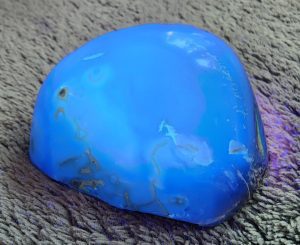
Learn everything about blue amber from Indonesia, including its origins, natural blue fluorescence, how to identify authentic Indonesian blue amber, and what makes these rare specimens so valuable to collectors.

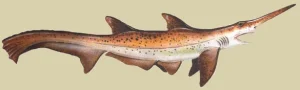
Shark Species Spotlight: Scapanorhynchus texanus (Extinct Goblin Shark)
In the brooks and streams of New Jersey, fossil hunters frequently uncover teeth from one of the strangest sharks of the ancient seas—Scapanorhynchus texanus, an extinct relative of today’s goblin shark. Known for its slender, striated teeth and deep evolutionary roots, this species once patrolled the shallow coastal waters of

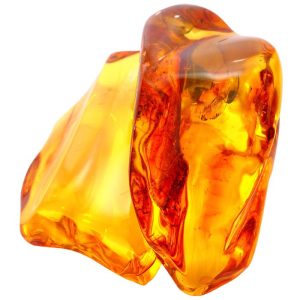
What Is Amber? The Story Behind Fossilized Tree Resin
What Is Amber? The Story Behind Fossilized Tree Resin What is amber? Amber is fossilized tree resin that formed millions of years ago and has been preserved through natural geological processes. Unlike minerals or crystalline gemstones, amber originates from organic material produced by ancient trees. Over time, this resin hardened,
Built for Collectors at Every Level
This reference library supports a wide range of experience levels, from beginners learning foundational concepts to advanced collectors seeking deeper geological insight. The content is written to be approachable while still maintaining accuracy and clarity.
If you are new to collecting, these guides provide a strong starting point for understanding minerals and fossils without overwhelming technical language. For experienced collectors, they serve as a structured reference for research, comparison, and continued learning.
Mineral & Fossil Guide FAQs
Common Questions About Collecting, Classification, and Care
These frequently asked questions address how our mineral and fossil collector guides are structured, how they differ, and how collectors can use them to make informed decisions. Whether you are exploring crystal specimens, fossilized remains, or organic materials such as amber, this section clarifies classification, evaluation criteria, care considerations, and how each guide supports responsible and knowledgeable collecting.
What is the purpose of these fossil and mineral collector guides?
These guides are designed to help collectors understand how to identify, evaluate, care for, and appreciate mineral specimens and fossils as distinct collectible materials.
What is the difference between mineral collecting and fossil collecting?
Mineral collecting focuses on naturally occurring crystalline or amorphous inorganic substances, while fossil collecting centers on preserved remains or traces of ancient life.
Should mineral collectors and fossil collectors use the same evaluation criteria?
No. Minerals are evaluated based on crystal form, clarity, color, and locality, while fossils are assessed by preservation quality, completeness, species, and geological context.
Are minerals and fossils formed through the same geological processes?
Minerals form through crystallization and chemical processes, whereas fossils form through biological preservation mechanisms such as mineralization, compression, or resin entrapment.
Do these guides cover both beginner and advanced collecting topics?
Yes. The guides range from foundational identification concepts to advanced discussions on rarity, locality significance, and long-term specimen care.
How do I know whether I should focus on mineral guides or fossil guides?
Collectors interested in crystal structures, chemistry, and geological formation should explore mineral guides, while those drawn to ancient life and preservation should focus on fossil guides.
Are amber specimens considered fossils or minerals?
Amber is classified as an organic fossil rather than a mineral, and it is typically covered within fossil-focused guides.
Collectors interested in amber can explore our in-depth resources on amber formation and how fossilized resin develops over millions of years. For those seeking specialized material, our guide to rare amber varieties examines unusual specimens such as naturally fluorescent blue amber from Indonesia.
Do these guides explain how to identify authentic specimens?
Yes. Both mineral and fossil guides discuss natural formation indicators, common imitations, and red flags that collectors should be aware of.
Is locality information important for both fossils and minerals?
Yes, but for different reasons. Locality affects mineral rarity and crystal habits, while fossil locality provides geological age and paleoenvironment context.
Do these guides include care and preservation information?
Yes. Each guide includes material-specific care recommendations tailored to either mineral stability or fossil preservation needs.
Are these guides focused on museum-grade or private collectors?
The content is suitable for both private collectors and those interested in museum-quality specimens, with an emphasis on education and responsible collecting.
Do mineral and fossil specimens require different storage methods?
Yes. Some minerals are sensitive to moisture or light, while fossils may require stabilization depending on their composition and preservation state.
Are replicas and reconstructed specimens discussed in these guides?
Yes. The guides address how replicas, composites, and restored specimens appear in both fossil and mineral collecting.
How often are new guides added to this section?
New mineral and fossil collector guides are added as new materials, localities, and educational topics are explored.
How should collectors use these guides when purchasing specimens?
Collectors can use the guides to verify authenticity, understand value factors, and make informed decisions when acquiring new specimens.
A Growing Collector’s Reference Library
The Collector’s Guides section is continuously expanding as new mineral and fossil guides are added. Over time, this library will continue to grow into a comprehensive learning hub covering a broad range of natural specimens and geological topics relevant to collectors.
Use the guides below to explore individual topics in greater depth, or browse through the collection to discover new areas of interest. Each guide is designed to stand on its own while also contributing to the larger collector reference library.
Explore the collector guides below to deepen your understanding of minerals, fossils, and the geological processes that shape them.