Blue Amber from Indonesia: A Complete Buyer’s & Collector’s Guide

Origins, Properties, Identification, and Value

Blue Amber from Indonesia

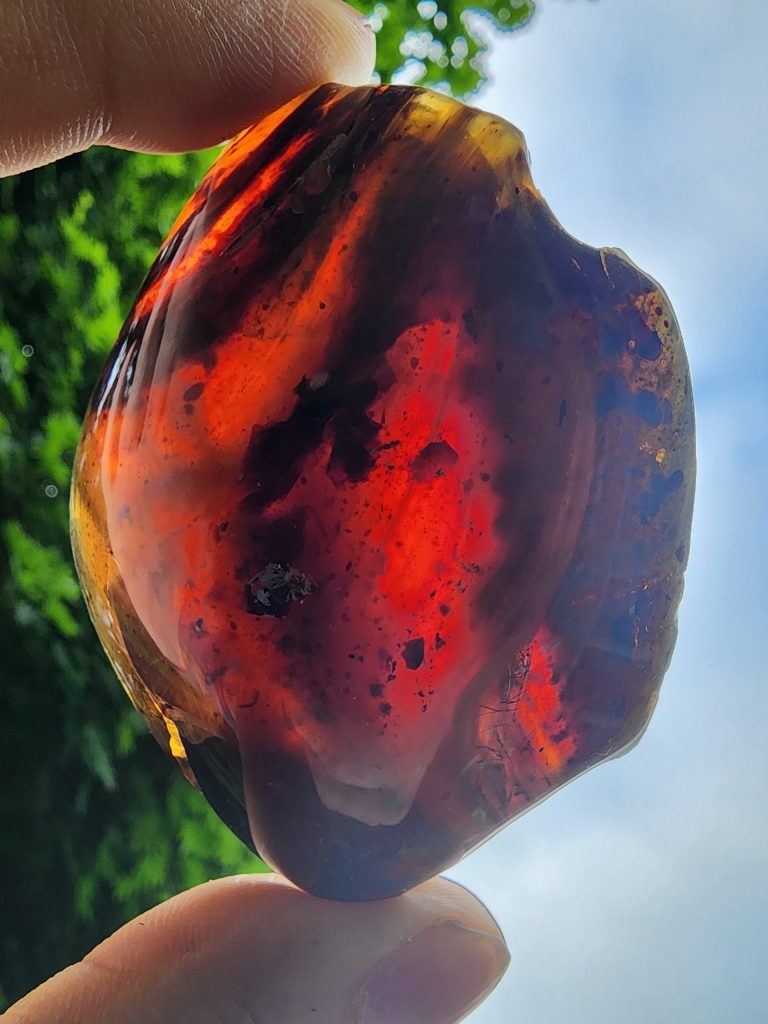
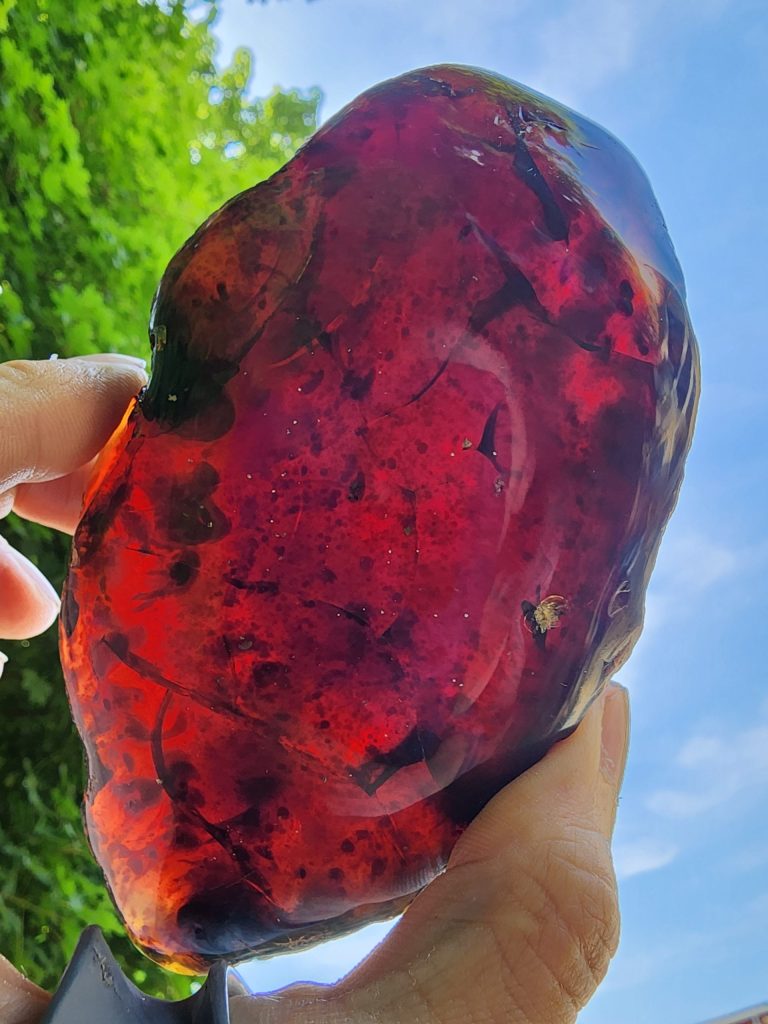
Blue amber from Indonesia is one of the most fascinating and misunderstood varieties of fossilized tree resin in the world. Known for its rare blue fluorescence under sunlight or ultraviolet light, this material has become increasingly sought after by mineral collectors, jewelry designers, and amber enthusiasts alike.

While blue amber is most famously associated with the Dominican Republic, Indonesian blue amber represents a legitimate and geologically significant source with its own unique characteristics. Understanding what is amber provides essential context for appreciating how blue amber from Indonesia formed, how it differs from other varieties, and why it displays such unusual optical behavior. This comprehensive guide explores where blue amber from Indonesia comes from, how it forms, how to identify authentic material, and what factors influence its value.
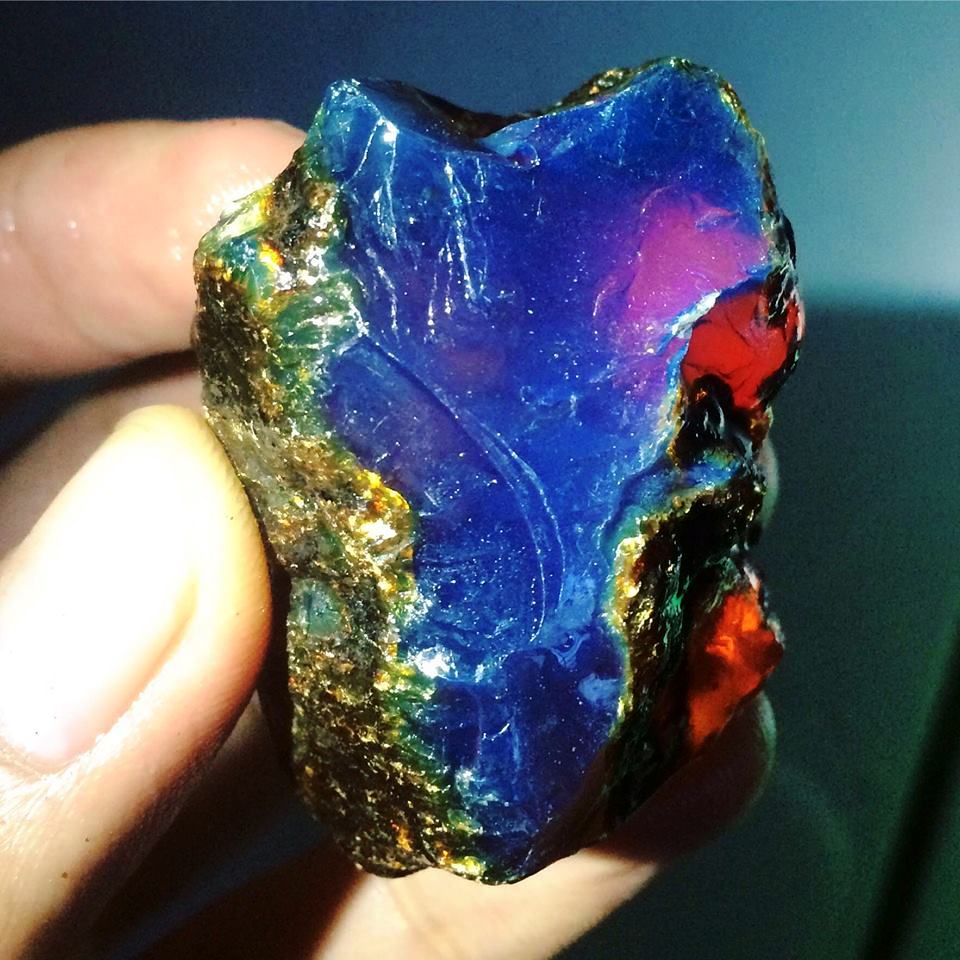
Table of Contents

Beyond its visual appeal, blue amber from Indonesia holds significant geological and scientific importance. Indonesian amber deposits provide valuable insight into ancient tropical ecosystems that existed millions of years ago, preserving organic material from prehistoric forests in remarkable detail. For collectors and researchers alike, Indonesian blue amber represents more than a decorative material — it is a natural record of Earth’s biological and environmental history, formed long before modern humans existed.

Indonesian Blue Amber At-a-Glance

  • Material Type: Fossilized tree resin (Amber)
  • Color: Yellow to brown in normal light; blue to blue-green fluorescence under sunlight or UV light
  • Geological Age: Tertiary period (tens of millions of years old)
  • Hardness: ~2–2.5 on the Mohs scale
  • Luster: Resinous
  • Transparency: Transparent to opaque
  • Notable Localities: Sumatra, Indonesia
  • Formation Environment: Ancient tropical forest resin buried and fossilized under sediment
  • Special Characteristics: Natural blue fluorescence caused by organic compounds
  • Care Requirements: Avoid heat, chemicals, and prolonged UV exposure; clean gently with mild soap and water

What Is Blue Amber from Indonesia?

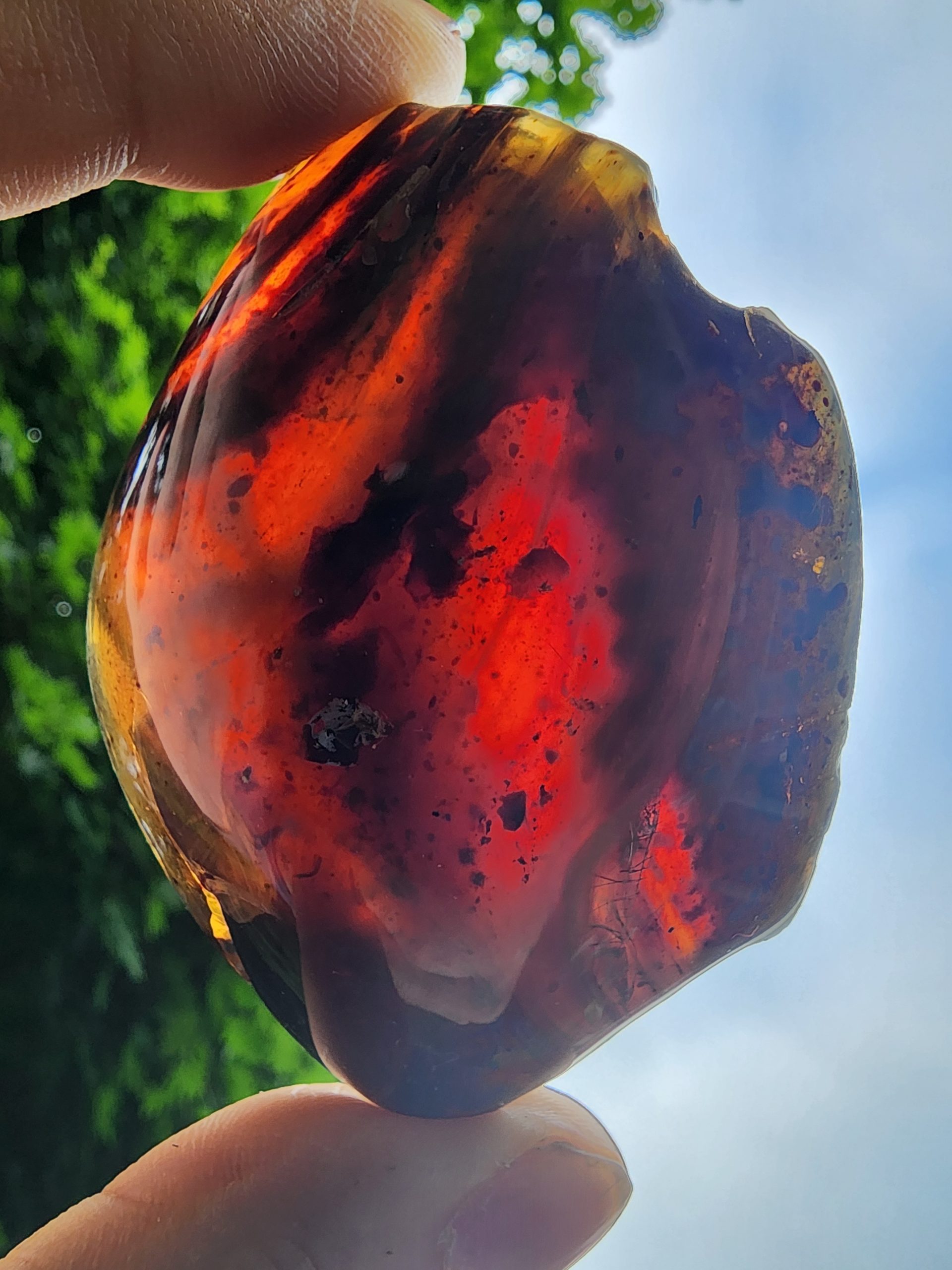
Indonesian Blue AmberBlue amber from Indonesia is fossilized tree resin that displays a blue or blue-green fluorescence when exposed to natural sunlight or UV light. Under normal indoor lighting, the material may appear yellow, orange, brown, reddish, or even dark — the blue color is not a surface pigment but a fluorescence effect that occurs under specific lighting conditions.

This fluorescence is caused by complex organic compounds formed during fossilization. When energized by ultraviolet wavelengths, these compounds emit visible blue light, giving the amber its distinctive appearance.

Not all amber from Indonesia is blue, and not all pieces fluoresce with the same intensity. True Indonesian blue amber must demonstrate this optical reaction naturally, without dyes or artificial treatments.
Where Does Blue Amber Indonesia Come From?

Most documented occurrences of blue amber Indonesia originate from the island of Sumatra, particularly in southern and western regions associated with ancient resin-producing forests. Smaller quantities of amber are also reported from parts of Kalimantan (Borneo), Java, Sulawesi, and Papua, though blue-fluorescing material is far less common outside Sumatra.

These ambers formed millions of years ago during the Tertiary period, when tropical forests dominated much of Southeast Asia. Resin exuded from prehistoric trees, hardened over time, and was eventually buried and fossilized through geological processes.

Because Indonesian deposits are often secondary (transported by rivers or erosion), exact dating can vary by locality.

How Does Blue Amber Form?

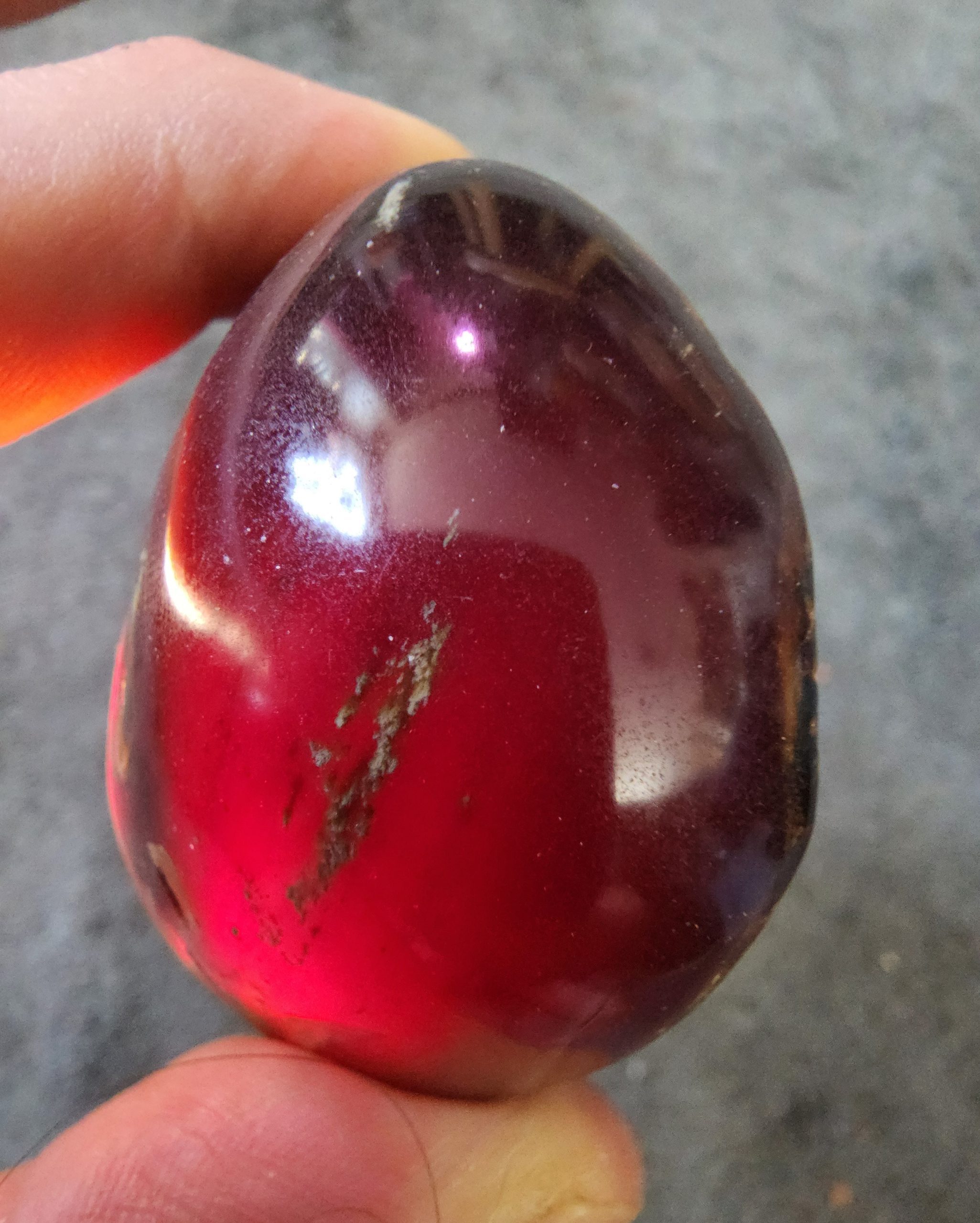
Indonesian Blue AmberThe formation of blue amber from Indonesia begins with resin exuded from prehistoric trees growing in ancient tropical forests. This sticky resin served as a natural defense mechanism, trapping insects, plant matter, and debris. Over time, the resin was buried beneath layers of sediment, where heat and pressure gradually transformed it into amber through a process known as polymerization.

What differentiates Indonesian blue amber from ordinary amber is the development of specific organic compounds during fossilization. These compounds react to ultraviolet light, causing the amber to fluoresce blue or blue-green under sunlight or UV exposure. Environmental factors such as the botanical source of the resin, burial conditions, and possible exposure to natural fires all played a role in creating the unique fluorescent properties seen in blue amber Indonesia today.
How Does Indonesian Blue Amber Get Its Blue Color?

The blue appearance of Indonesian blue amber is not a true color in the traditional sense. Instead, it is the result of fluorescence — a physical reaction where certain organic molecules absorb ultraviolet light and re-emit it as visible blue light.

Key points:

  • The blue glow is strongest in direct sunlight or under long-wave UV light.

  • Indoor lighting often does not trigger the effect.

  • The fluorescence originates from within the amber, not from a surface coating.

The chemical composition responsible for this effect likely formed due to the resin’s botanical origin combined with environmental factors such as heat, pressure, and possible exposure to forest fire byproducts during fossilization.

Those interested in the science behind blue amber’s color can learn more in the GIA article, Color Phenomena of Blue Amber.”

Indonesian Blue Amber vs. Other Blue Amber Sources

When comparing blue amber from Indonesia to other well-known sources:

  • Dominican blue amber is generally more famous and commands higher prices.

  • Indonesian blue amber can display equally beautiful fluorescence but often differs in tone, clarity, and internal structure.

  • Indonesian material may appear darker or more opaque under normal light, with the blue effect revealing itself dramatically in sunlight.

Collectors value Indonesian material for its uniqueness, natural appearance, and growing scarcity.

How to Identify Authentic Blue Amber from Indonesia

Blue Amber from IndonesiaCorrect identification is critical, as amber is frequently imitated.

Key Identification Methods

1. UV or Sunlight Test
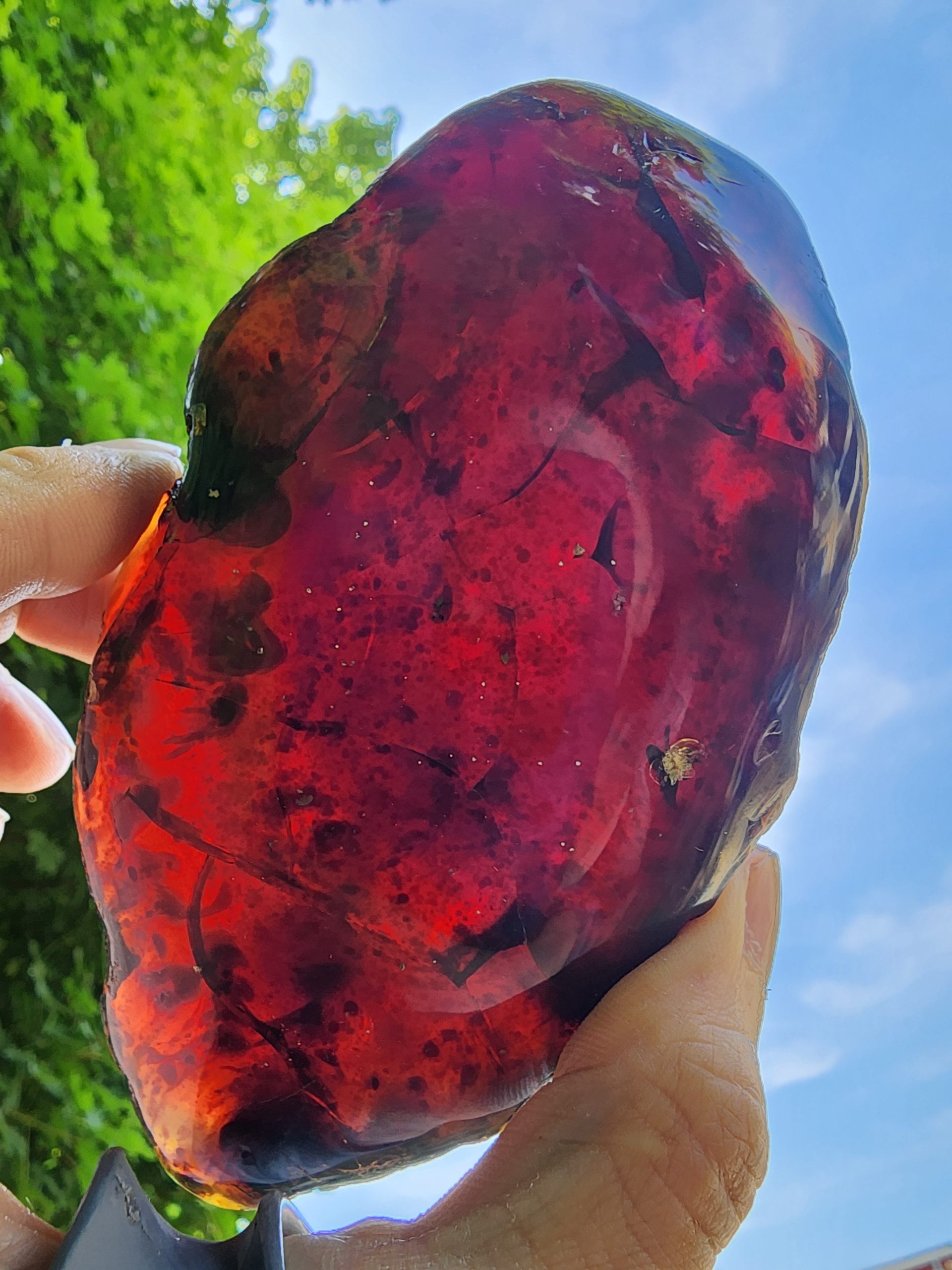
Authentic blue amber from Indonesia fluoresces blue or blue-green under UV light or direct sunlight.

2. Visual Examination
Look for natural flow lines, small internal fractures, or organic inclusions. Perfect clarity can be a red flag.

3. Density and Weight
Amber is lightweight and may float in saturated saltwater, unlike many plastics or glass imitations.

4. Laboratory Testing (Recommended for High-Value Pieces)
FTIR spectroscopy can confirm fossilized resin and distinguish amber from copal or synthetic materials.

Avoid destructive tests such as hot needles on finished or valuable specimens.
Is Indonesian Blue Amber Treated or Enhanced?

Genuine this rare Indonesian amber is naturally fluorescent. However, the market does include:

  • Dyed amber

  • Heat-treated amber

  • Synthetic resins falsely marketed as blue amber

A trustworthy seller should be able to demonstrate fluorescence and clearly disclose any treatments. Natural blue amber does not need enhancement to exhibit its defining characteristic.

Value and Collectibility of Blue Amber Indonesia

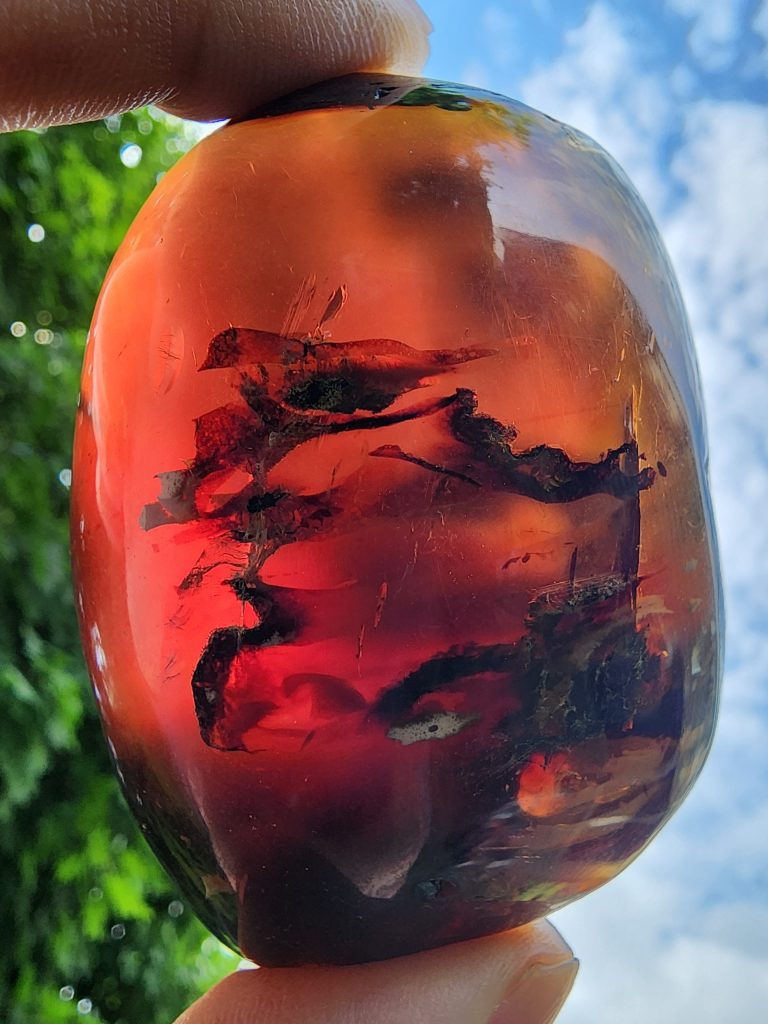
Blue Amber from IndonesiaThe value of Indonesian amber with blue fluorescence depends on several factors:

  • Fluorescence intensity

  • Size and weight

  • Clarity and internal features

  • Provenance documentation

  • Whether the piece is rough, polished, or set in jewelry

High-quality specimens with strong fluorescence and known origin are increasingly collectible, especially as Indonesian deposits become more difficult to source responsibly.

Uses of Indonesian Blue Amber

  • Mineral and fossil collections

  • Jewelry and lapidary work

  • Educational and display specimens

While some people attribute metaphysical or healing properties to blue amber, such interpretations are cultural and personal rather than scientific.

How to Care for Blue Amber from Indonesia

Amber is relatively soft and organic in nature.

Care tips:

  • Avoid prolonged heat or direct sunlight when storing

  • Clean gently with mild soap and water

  • Do not use ultrasonic or steam cleaners

  • Store separately from harder gemstones

Proper care will preserve both the appearance and fluorescence of your amber.

Why Buy Blue Amber from Indonesia at Sacred Earth Minerals?

At Sacred Earth, each specimen of blue amber from Indonesia is carefully selected for authenticity, quality, and ethical sourcing. We focus on natural materials with genuine fluorescence and transparent provenance, ensuring that collectors and customers receive real Indonesian blue amber — not imitations or treated substitutes.

Explore Our Mineral Treasures:

Explore our curated selection of blue amber from Indonesia, chosen for authentic fluorescence, natural character, and overall quality. Every specimen is evaluated individually, allowing you to acquire a genuine piece of Indonesian blue amber that reflects both geological rarity and timeless natural beauty.

Interesting Facts About Indonesian Blue Amber

  • It doesn’t look blue indoors. One of the most surprising aspects of Indonesian blue amber is that it often appears yellow, brown, or dark under normal indoor lighting. The famous blue color only reveals itself under sunlight or ultraviolet light due to fluorescence.

  • Not all Indonesian amber is blue. Only a small percentage of amber found in Indonesia exhibits true blue or blue-green fluorescence. This makes authentic blue amber from Indonesia significantly rarer than standard Indonesian amber.

  • Sumatra is the most recognized source. While amber is found in several parts of Indonesia, the strongest and most consistent blue-fluorescing material is most commonly associated with deposits in Sumatra.

  • The blue color is not a dye or coating. The blue appearance in Indonesian blue amber is entirely natural and originates from internal organic compounds formed during fossilization, not from surface treatments or added colorants.

  • Each piece fluoresces differently. No two specimens fluoresce in exactly the same way. Some glow an electric blue, while others display greenish or teal tones, depending on internal structure and chemical composition.

  • It is millions of years old. Indonesian blue amber formed during the Tertiary period, meaning each piece is a tangible remnant of prehistoric tropical forests that existed long before modern humans.

  • It is lighter than it looks. Like all true amber, Indonesian blue amber has a low density, making it noticeably lightweight compared to minerals of similar size.

  • Collectors value provenance. Specimens with documented Indonesian origin, especially from Sumatra, are more desirable to collectors than unverified “blue amber” pieces with no locality information.

Indonesian Blue Amber FAQs:

Answers for Collectors and Enthusiasts

What is blue amber from Indonesia?

Blue amber from Indonesia is fossilized tree resin that naturally fluoresces blue or blue-green when exposed to sunlight or ultraviolet light. The blue color is caused by internal organic compounds rather than surface coloration.

Yes. Indonesian blue amber is genuine fossilized resin, formed millions of years ago. It is distinct from copal, plastic, or synthetic resins.

Under normal indoor lighting, blue amber from Indonesia often appears brown, yellow, or dark. The blue color only becomes visible under sunlight or UV light due to fluorescence.

Most blue-fluorescing Indonesian amber is associated with Sumatra. Amber is also found in other regions of Indonesia, but true blue fluorescence is less common outside Sumatra.

Indonesian blue amber generally dates back to the Tertiary period, making it tens of millions of years old.

The fluorescence is caused by specific organic compounds that formed during fossilization. These compounds absorb ultraviolet light and emit visible blue light.

No. Only a small percentage of Indonesian amber displays blue or blue-green fluorescence. Most Indonesian amber does not show this effect.

Authentic pieces will fluoresce blue under UV or sunlight, feel lightweight, and show natural internal features. Laboratory testing such as FTIR spectroscopy can confirm authenticity.

Yes. Some materials sold as blue amber may be dyed amber, copal, or synthetic resin. Verification of fluorescence and provenance is important.

Natural Indonesian blue amber does not require treatment to fluoresce. Any enhancements should be disclosed by the seller.

Yes. Value depends on size, fluorescence intensity, clarity, and documented origin. Well-documented specimens with strong fluorescence are especially collectible.

Dominican blue amber is more widely known, but Indonesian blue amber is equally genuine and valued for its unique appearance and rarity.

Yes. Some specimens contain preserved insects or plant material, which can add scientific and collector value.

Avoid heat, harsh chemicals, and ultrasonic cleaners. Clean gently with mild soap and water and store away from harder gemstones.

No. Blue amber does not glow on its own. It fluoresces only when exposed to sunlight or ultraviolet light.

No. Amber is organic and classified as fossilized tree resin, not a mineral.

Documented origin helps confirm authenticity, value, and collectibility, especially in a market where imitations are common.

Conclusion:

Blue amber from Indonesia stands as a remarkable fusion of natural history, rare chemistry, and visual intrigue. From its formation in ancient tropical forests to its captivating blue fluorescence under sunlight, Indonesian blue amber offers collectors a genuine connection to Earth’s distant past. Whether appreciated as a scientific specimen, a collector’s piece, or a work of natural art, this material continues to earn its place among the most fascinating varieties of amber found anywhere in the world.

For a broader overview of amber, including its history, formation, and different varieties found worldwide, see our in-depth guide to amber.

Explore More Mineral & Fossil Guides

If you enjoyed this guide, there’s much more to discover. Below you’ll find additional fossil and mineral guides selected to expand your knowledge, highlight related specimens, and help you explore other fascinating topics from across the Sacred Earth resource library.

Fossil Fish
Read More
Scapanorhynchus
Read More
Pink Halite Searles Lake California
Read More
mineral contaminants rust iron oxide
Read More
Tourmaline Properties Sacred Earth
Read More
Amber Gemstone
amethyst crystal cluster