A 99-Million-Year-Old Amber Fossil Redefines the Ancient Story of Mosquito Evolution

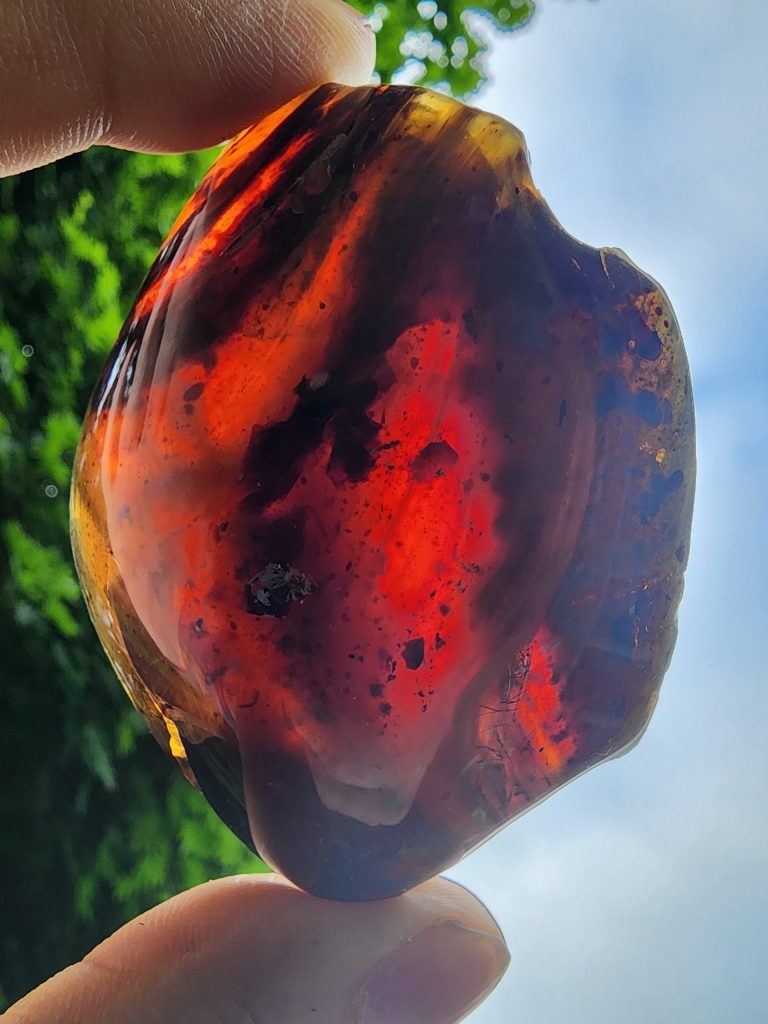
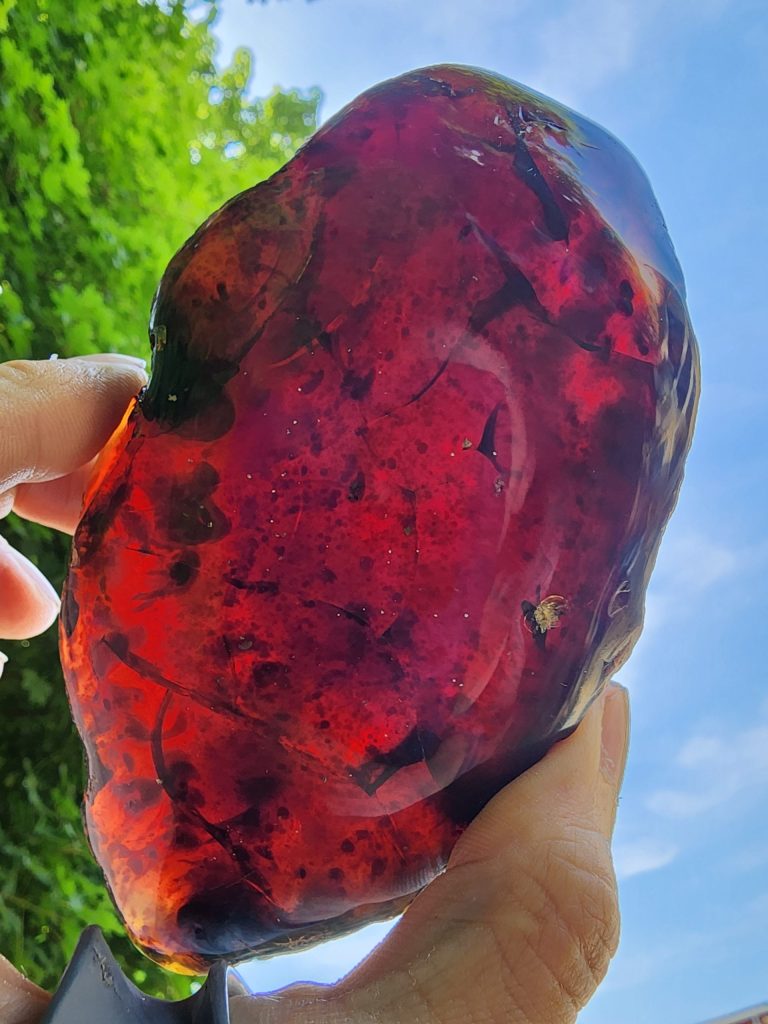
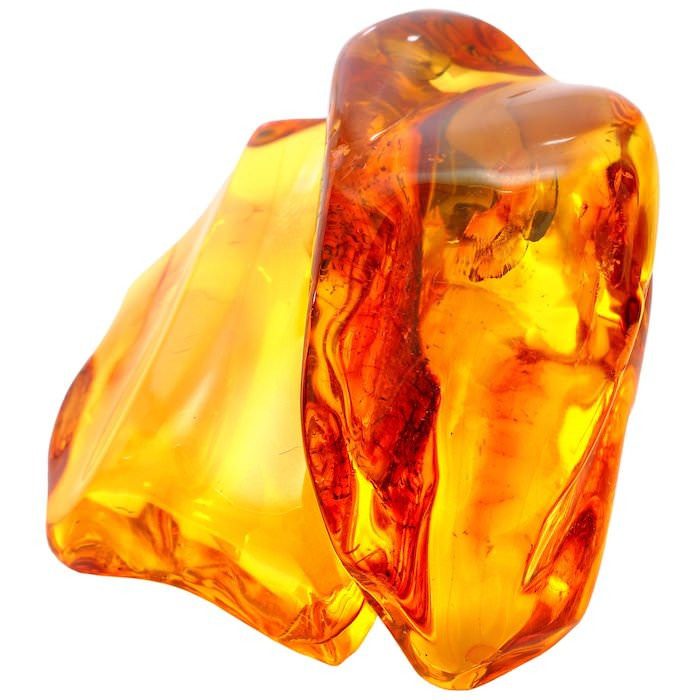
Baltic amber fossil

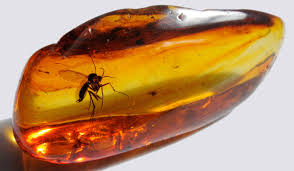
A rare amber fossil dating back nearly 99 million years is reshaping scientific understanding of mosquito evolution. Preserved in Cretaceous-era amber from northern Myanmar, this exceptional specimen captures a mosquito in its larval stage, making it the oldest known example of its kind. The discovery provides long-sought evidence of how early mosquitoes developed and adapted within ancient forest ecosystems.

Amber fossils are uniquely valuable because they preserve organisms with extraordinary fidelity. For background on the process of amber fossilization — including how resin transforms into hardened fossil resin capable of preserving insects — see What Is Amber? The Story Behind Fossilized Tree Resin.

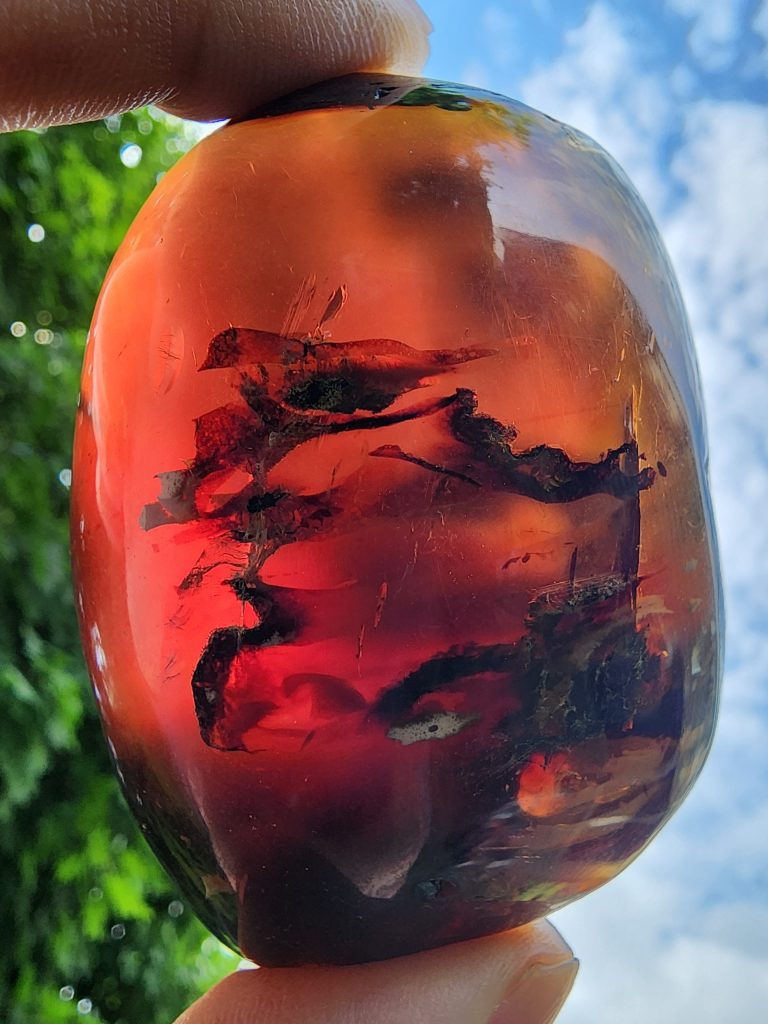
Table of Contents

An Exceptional Amber Fossil from the Cretaceous Period

The specimen was recovered from the Kachin region of Myanmar, an area internationally recognized for producing some of the most significant Cretaceous amber fossils ever discovered. Formed from hardened tree resin, the amber sealed the larva in place, protecting it from decay and distortion for nearly 100 million years.

While adult mosquitoes preserved in amber have been documented before, larval specimens are exceedingly rare. This amber fossil fills a critical gap, allowing researchers to examine the earliest developmental stages of mosquitoes with unprecedented clarity.

What the Amber Fossil Reveals About Early Mosquito Evolution

Detailed analysis identified the specimen as a new genus and species, Cretosabethes primaevus. Remarkably, the larva’s anatomy closely resembles that of modern mosquito larvae. Key features — including body structure, respiratory systems, and feeding adaptations — show minimal divergence from present-day forms.

This finding suggests that many of the biological traits that define mosquitoes today were already established during the mid-Cretaceous period. Rather than undergoing dramatic evolutionary change, mosquitoes appear to have achieved an efficient and resilient design early in their history.

Insights into Ancient Forest Ecosystems

The preservation of an aquatic insect within tree resin provides valuable context for reconstructing ancient environments. Scientists believe the larva likely lived in small, water-filled microhabitats such as tree hollows or plant cavities — ecological niches still used by mosquitoes today.

This amber fossil supports the idea that complex forest ecosystems capable of sustaining such life cycles existed during the age of dinosaurs. It also demonstrates how amber fossils can preserve not only organisms, but evidence of ancient ecological relationships.

Why This Discovery Matters

The scientific importance of this amber fossil extends beyond mosquitoes alone:

  • It represents the oldest known mosquito larva ever discovered

  • It confirms that mosquito life cycles were already well established 99 million years ago

  • It highlights the long-term evolutionary stability of certain insect lineages

  • It underscores amber’s role as one of the most informative fossil preservation mediums

Each amber fossil acts as a natural archive, capturing moments of ancient life that would otherwise be lost to time.

Amber Fossils and the Deep History of Life on Earth

Unlike compression fossils or mineralized remains, amber preserves organisms three-dimensionally, often down to cellular detail. This makes amber fossils indispensable for understanding the evolution of insects and the environments they inhabited.

Beyond its scientific importance, amber is also valued for its beauty and rarity. Examples such as blue amber from Indonesia are prized by collectors and enthusiasts alike, admired both for their aesthetic qualities and the deep history they represent.

A Small Fossil with Far-Reaching Implications

Though mosquitoes are often regarded as little more than modern nuisances, this amber fossil tells a far deeper story — one of survival, adaptation, and evolutionary success across vast spans of geological time.

As new amber discoveries continue to emerge, they remind us that even the smallest fossils can profoundly reshape our understanding of Earth’s ancient past.

Reference:
André P. Amaral et al, First fossil mosquito larva in 99-million-year-old amber with a modern type of morphology sheds light on the evolutionary history of mosquitoes (Diptera: Culicidae), Gondwana Research (2025). DOI: 10.1016/j.gr.2025.09.011

Explore Our Mineral Treasures:

Explore our curated selection of amber, chosen for authentic fluorescence, natural character, and overall quality. Every specimen is evaluated individually, allowing you to acquire a genuine piece of Indonesian blue amber that reflects both geological rarity and timeless natural beauty.

Amber Fossil FAQs:

Answers for Collectors and Enthusiasts

What makes amber fossils different from other types of fossils?

Amber fossils form when organisms become trapped in sticky tree resin that later hardens and fossilizes. Unlike mineralized or compressed fossils, amber preserves organisms in three dimensions, often retaining microscopic anatomical details that would otherwise be lost.

Mosquito larvae live in water, making them unlikely to come into contact with tree resin. This rarity is what makes the discovery scientifically significant, as it provides direct evidence of early mosquito life stages that are almost entirely absent from the fossil record.

The amber fossil is approximately 99 million years old, dating to the mid-Cretaceous period. Its age is determined by analyzing the geological layers in which the amber is found, along with radiometric dating of associated rock formations.

Amber fossils preserve not only individual organisms but also evidence of the environments they lived in. They offer insight into ancient forest ecosystems, climate conditions, and ecological relationships that existed during the age of dinosaurs.

Related Earth Science News

Geology and Paleontology News​

Ongoing discoveries in geology and paleontology continue to reveal how Earth’s structure, surface processes, and ancient life are closely interconnected. Exploring Latest Geology and Paleontology Discoveries allows collectors, researchers, and enthusiasts to stay informed about newly identified formations, fossil finds, and evolving scientific interpretations that shape our understanding of the planet’s history.

These updates provide valuable context for interpreting specimens, recognizing formation environments, and connecting individual mineral and fossil finds to broader Earth science patterns observed across different regions and time periods.

Explore More Mineral & Fossil Guides

If you enjoyed this guide, there’s much more to discover. Below you’ll find additional fossil and mineral guides selected to expand your knowledge, highlight related specimens, and help you explore other fascinating topics from across the Sacred Earth resource library.

Fossil Fish
Read More
Blue Amber from Indonesia
Read More
Scapanorhynchus
Read More
Pink Halite Searles Lake California
Read More
mineral contaminants rust iron oxide
Read More
Tourmaline Properties Sacred Earth
Read More
Amber Gemstone
amethyst crystal cluster